
The Columbus Complex: Why Psychotherapy Keeps Re-Inventing the Wheel
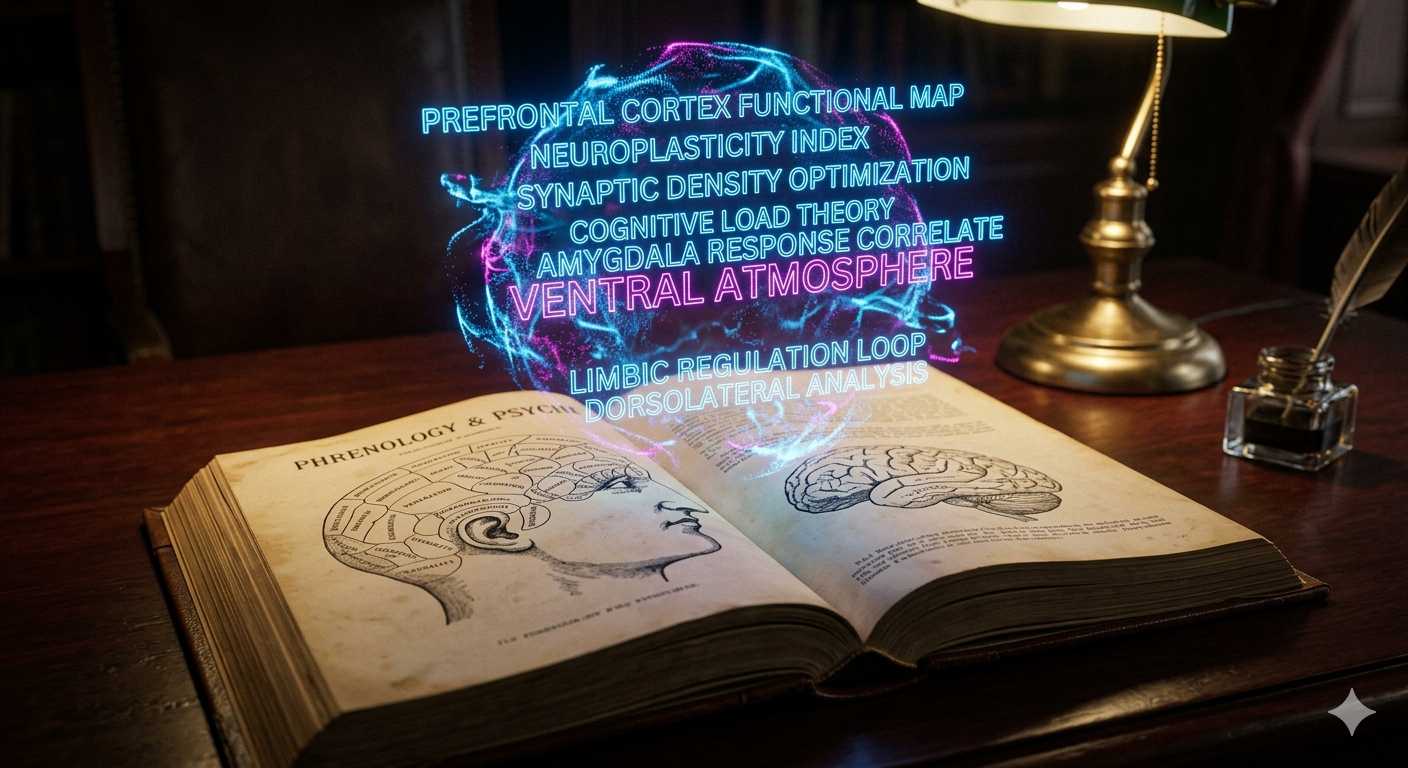
A recent online trend caught my attention, boasting a "revolutionary new protocol" engineered to resolve deep-seated trauma by combining imagination, interoception, and proprioception. The pitch culminated in a rather baffling phrase: "interoception that extends into the ventral atmosphere."
While this vocabulary sounds undeniably sophisticated, it highlights an increasingly pervasive problem in our field: the habit of repackaging foundational clinical concepts and marketing them as cutting-edge neurological breakthroughs.
When you strip away the proprietary vocabulary and look at the actual mechanics of what is being proposed, two distinct patterns emerge.
1. Re-Inventing the Psychoanalytic Wheel
What the author describes as a "haunting memory that irritates the nervous system" is simply a modern echo of Sigmund Freud’s 1895 observation: "Hysterics suffer mainly from reminiscences." Addressing historical trauma by tracking present-moment somatic tension and utilizing imaginative resources is not a novel invention. It is the long-established baseline of modern psychodynamic technique and character armor analysis.
2. The Weaponization of Neuro-Buzzwords
Scientifically speaking, a phrase like "ventral atmosphere" is entirely nonsensical. Interoception is explicitly the tracking of internal visceral states; it physically cannot extend out into an atmosphere. This phrasing appears to be a confusing, commercialized conflation with Polyvagal Theory. Relying on pseudo-technical language creates a false illusion of innovation, capitalizing on a systemic vulnerability within the therapeutic community.
Why Are We Falling For It?
Dozens of licensed clinicians immediately responded to that post, requesting to learn this "new protocol." Operating under intense emotional fatigue, it is completely natural to seek a faster, less painful solution for our clients.
However, when we allow slick marketing and fragmented neuroscience jargon to replace rigorous, proven mechanisms of action, we do a disservice to the people in our care. Integrating imagination, somatic tracking, and spatial orientation is already the thoroughly documented foundation of Somatic Experiencing, Sensorimotor Psychotherapy, and EMDR.
We do not require a new "atmosphere." We simply need to maintain our clinical skepticism and recognize that a professional license does not immunize us against the allure of an easy fix for complex human problems.