
What Are Attachment Styles and How Do They Affect Relationships?

Attachment styles shape the way you connect, communicate, and trust in romantic relationships. If you have ever wondered why you react strongly to distance or feel uneasy with closeness, your attachment style holds important answers.
In this guide, we explain the four attachment styles, how they shape adult relationships, and what steps lead to healthier connection. Understanding your attachment pattern is the first step toward building the secure relationships you deserve.
What Are Attachment Styles?
Attachment styles are patterns of emotional bonding and relationship behavior.Attachment theory began in the 1950s with psychiatrist John Bowlby and psychologist Mary Ainsworth. Their research showed that the bond between a child and caregiver creates a blueprint for how that child relates to others throughout life. In the 1980s, psychologists Cindy Hazan and Phillip Shaver extended this work into adult romantic relationships. Their studies demonstrated that the same patterns observed in children appear in adult partnerships, influencing how people give and receive love, handle conflict, and manage emotional intimacy.
Your attachment style in relationships is not a life sentence. It is a pattern. Patterns are recognized, understood, and adjusted with the right support and self-awareness.
The Four Primary Attachment Styles
There are four primary attachment styles, each reflecting a different way of managing emotional closeness and responding to relational stress.1. Secure Attachment Style
People with a secure attachment style feel comfortable with closeness and independence. They communicate openly, trust their partners, and regulate emotions effectively.Common traits of secure attachment include:
- Healthy emotional boundaries
- Strong communication skills
- Comfort with intimacy
- Ability to resolve conflict calmly
- Trust in relationships
2. Anxious Attachment Style
Individuals with anxious attachment styles crave closeness but often fear rejection or abandonment. This pattern creates intense emotional stress because the person relies heavily on external validation for emotional stability. It typically stems from inconsistent caregiving in early childhood.Signs of anxious attachment style include:
- Fear of being left behind
- Overanalyzing relationship interactions
- Constant need for reassurance
- Emotional highs and lows
- Difficulty feeling secure in relationships
3. Avoidant Attachment Style
People with avoidant attachment style value independence over emotional closeness. They suppress vulnerability and create emotional distance when relationships become too intimate. This pattern often develops when emotional needs were dismissed or minimized during childhood.Those with avoidant attachment style exhibit the following behaviors:
- Discomfort with emotional vulnerability
- Avoiding deep conversations
- Pulling away during conflict
- Difficulty expressing emotions
- Preference for self-reliance
4. Disorganized Attachment Style
Disorganized attachment style combines anxious and avoidant behaviors. People with this pattern crave connection but also fear it. They display unpredictable behavior in relationships because their early caregivers were simultaneously a source of comfort and fear.Mental health professionals frequently address this attachment style through trauma-informed therapy and emotional regulation work, given that there is a correlation between this attachment style and trauma history.
Common disorganized attachment patterns show up as:
- Fear of intimacy
- Difficulty trusting others
- Unpredictable emotional reactions
- Push-pull relationship patterns
- High emotional distress during conflict
How Attachment Styles in Relationships Affect Connection and Behavior
Attachment patterns influence everyday interactions in ways you do not always recognize immediately. An anxious partner texts repeatedly when their significant other does not respond quickly. An avoidant partner shuts down during serious conversations. A securely attached partner addresses concerns calmly and directly.These patterns affect the core areas of relationships.
- Communication: Securely attached individuals communicate directly and clearly. Insecure attachment styles often lead to defensive communication, emotional withdrawal, or reassurance-seeking behaviors.
- Conflict Resolution: Secure attachment supports healthy problem-solving. Unhealthy attachment patterns often trigger emotional shutdown, defensiveness, blame, or fear-driven reactions.
- Intimacy: Healthy intimacy requires trust, vulnerability, and emotional safety. People with insecure attachment styles struggle with intimacy because emotional closeness feels unsafe, overwhelming, or unstable. This creates recurring challenges in romantic relationships, friendships, and family dynamics.
Can Attachment Styles Change?
Yes. They can change through self-awareness, healthy relationships, and therapy. Neuroscience research confirms that the brain retains plasticity throughout life, which means new relational experiences reshape old patterns. Therapy provides a safe space to explore your attachment history, identify triggers, and practice new ways of connecting.Attachment-focused therapy, Cognitive Behavioral Therapy, and trauma-informed approaches help individuals create healthier relationship dynamics.
When you understand why you react the way you do, you gain the ability to pause, choose a different response, and build more secure connections over time.
Find the Right Support for Healthier Relationships
Attachment styles influence connection, trust, communication, and emotional intimacy across romantic relationships, friendships, and family dynamics. Understanding these patterns makes it easier for people to break unhealthy cycles, build healthier emotional habits, and create deeper, more secure relationships with the right support and intentional growth.At TherapyCloud, we connect you with licensed therapists who specialize in relationship issues, attachment work, and couples counseling. Whether you are navigating conflict, healing from past relationships, or simply want to understand yourself better, the support you need is available.
At TherapyCloud, we're not just a registry. We're a community. Our team of trusted licensed therapists is constantly working to allow you access to the information and resources that can help you change your mental health and your life. Become an active member of our community today!
Related Articles:

Beyond Intuitive Eating: Understanding Food Cravings, Addiction, and Mindful Nutrition
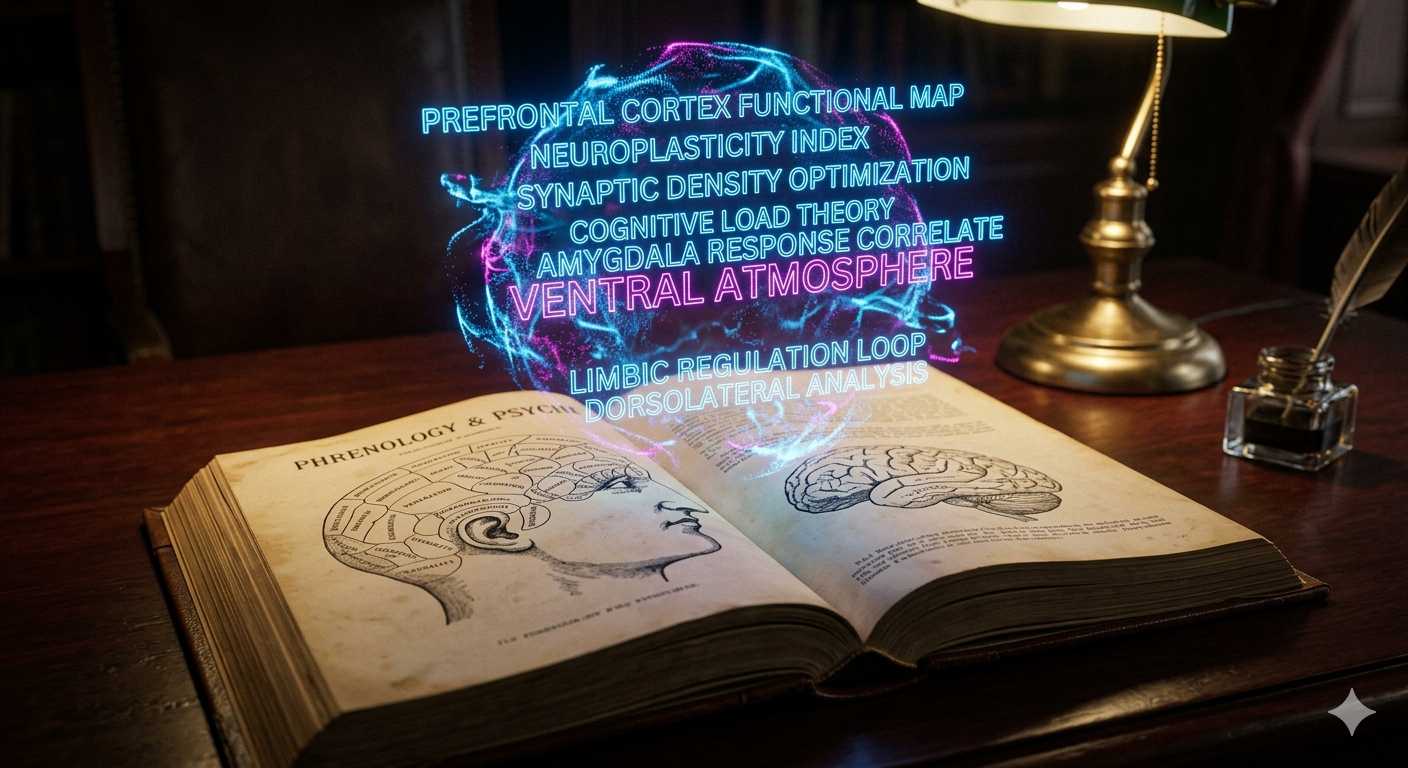
This article analyzes the modern therapeutic trend of repackaging foundational psychodynamic theory as novel, neurological breakthroughs through complex buzzwords. It challenges clinicians to maintain their skepticism against slick marketing and recognize the enduring validity of traditional mechanisms of action in trauma work.

Joining a therapist directory or practice platform should strengthen your visibility and support your professional standards.
The information provided in this blog is for educational and informational purposes only and does not constitute medical advice or establish a therapist-client relationship. If you find that mental health concerns are significantly impacting your quality of life, we strongly encourage you to reach out to a qualified mental health professional for personalized assessment and care. In case of an emergency, please contact your local emergency services immediately or visit the nearest emergency room.