
The Benefits of Reducing Screen Time: How a Digital Detox Can Improve Your Mood
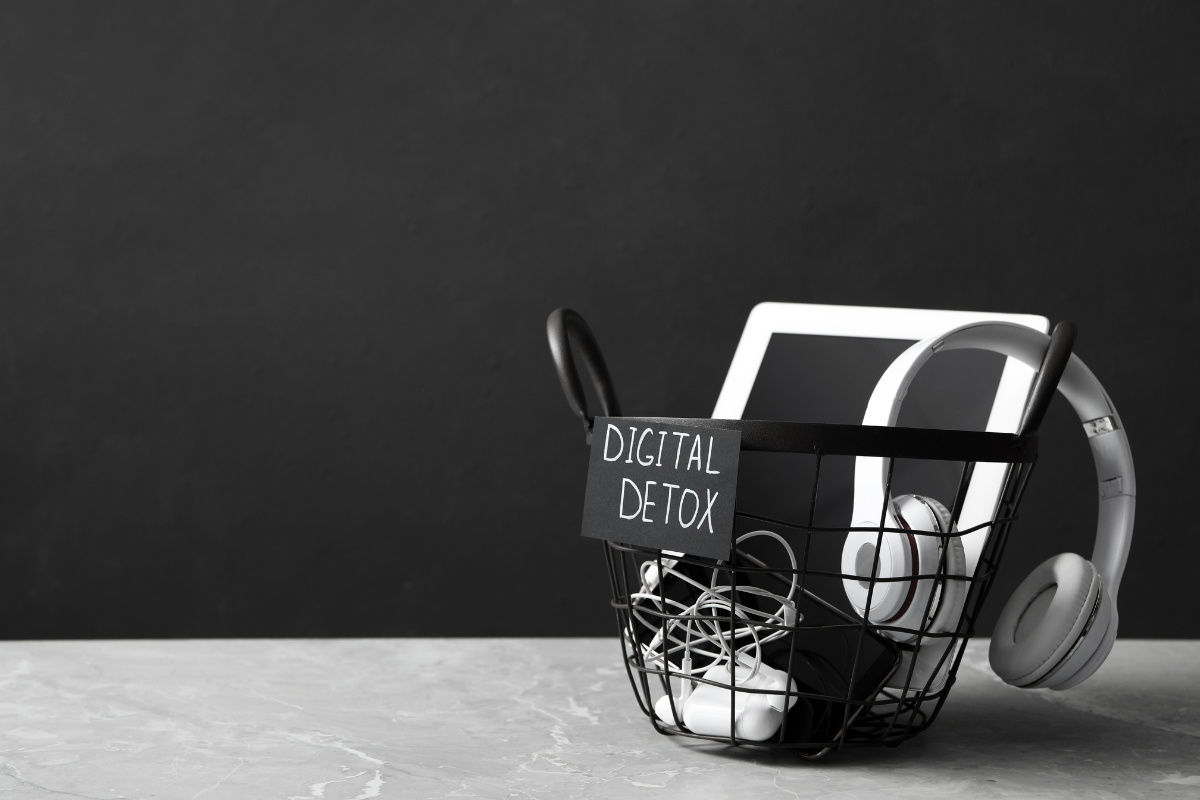
Digital devices are part of our everyday routines, which makes it easy to overlook how constant connectivity can quietly wear down our mood and mental clarity. People are spending more time than ever on screens, and research shows that too much unregulated screen use can negatively impact our physical health, mental wellness, and overall well-being.
This growing awareness has led many people to try digital detoxing, which involves intentionally taking breaks from screens or setting limits on digital use. These intentional changes often help people feel more present, less overwhelmed, and more in control of their daily routines.
How Does Screen Time Affect Your Mood?
Mounting evidence highlights a strong connection between digital engagement and mental health outcomes. According to the U.S. Surgeon General’s Advisory on Social Media and Youth Mental Health, adolescents who spend more than three hours per day on social media have double the risk of experiencing symptoms of depression and anxiety.
In adults, excessive screen time has been linked to impaired memory and decision-making, reduced gray matter volume in the brain, disrupted sleep patterns, and long-term risks to brain health, all of which can indirectly affect emotional well-being and daily functioning (Stanford Lifestyle Medicine).
Key mechanisms that help explain this relationship include:
- Sleep Disruption and Circadian Dysregulation: Evening and late-night screen exposure interferes with melatonin production and circadian rhythms, reducing sleep quality and duration. Inadequate or fragmented sleep affects mental health and is closely linked to poorer mood regulation, irritability, and reduced stress tolerance.
- Cognitive Strain and Reduced Executive Function: Constant notifications, rapid content switching, and prolonged digital engagement place sustained demands on attention and working memory. This cognitive strain can impair focus, decision-making, and emotional control, contributing to mental fatigue and heightened reactivity.
- Neurological and Brain Health Effects: Research suggests that excessive screen time may be associated with changes in brain structure and function, including reduced gray matter volume and diminished cognitive processing capacity.
- Social Comparison and Emotional Overstimulation: Algorithm-driven content and curated online identities can intensify social comparison and emotional overload. Repeated exposure to unrealistic standards, negative news cycles, or online conflict may contribute to feelings of inadequacy, emotional numbness, or disengagement.
- Displacement of Restorative Behaviors: High screen use often replaces activities that support emotional health, such as physical movement, in-person connection, creative engagement, and outdoor time. The cumulative loss of these protective behaviors can weaken mood regulation over time.
Digital Detox: What It Means and How to Begin
A digital detox doesn’t mean giving up technology entirely. Instead, it’s about creating healthier boundaries with your devices so they support your well-being rather than control your attention.
Here are some simple ways to start a digital detox:
- Set tech-free times, such as during meals or the hour before bed.
- Limit social media use by unfollowing draining accounts or setting daily time limits.
- Create screen-free zones in your home, like bedrooms or relaxation areas.
- Replace passive scrolling with activities that support your mood, such as walking, journaling, reading, or spending time outdoors.
- Check in with yourself regularly to notice how changes in screen habits affect your energy, focus, and emotional state.
How Reducing Screen Time Can Benefit You
Lower Stress and Mental Overload
When you step away from constant notifications and information, your nervous system gets a chance to settle. Digital interruptions can keep the brain in a reactive state, which contributes to ongoing stress and mental fatigue. Decreased cognitive overload is one of the important benefits of reducing screen time, allowing your mind to slow down naturally.
Better Sleep Quality
Screens, especially before bed, can overstimulate the brain and interfere with the body’s natural sleep rhythms. Blue light exposure can delay melatonin production, which makes it harder to fall and stay asleep. Reducing evening screen time often leads to deeper, more restorative sleep, which supports better mood regulation, stress management, and overall emotional well-being.
Improved Focus and Emotional Awareness
Constant multitasking between apps, messages, and content can make sustained focus more difficult and influence how screen time affects your mood. A digital detox reduces mental fragmentation and allows attention to settle on one task or experience at a time. With fewer distractions, it becomes easier to notice thoughts, emotions, and internal signals.
More Meaningful Connections
Spending less time on screens creates more space for real-world interaction and presence. Face-to-face conversations allow for deeper communication and emotional connection. Shared activities without digital distractions can strengthen relationships, increase feelings of belonging, and build trust.
Increased Joy and Engagement
When screens no longer dominate daily life, reducing screen time benefits people by helping them rediscover activities that feel genuinely fulfilling. Reading, being outdoors, creative hobbies, or quiet rest often feel more enjoyable without constant interruption. Over time, this supports greater satisfaction and engagement with daily life.
Finding Balance in a Digital World
While reducing screen time can improve mood, it’s important to remember that mental health is complex. If you’re experiencing persistent anxiety, low mood, or emotional distress, a digital detox may be one helpful tool, but not a complete solution.
For additional support or guidance, TherapyCloud connects you with licensed therapists and mental health resources designed for your well-being.
Remember: technology is not inherently harmful. It just depends on how you choose to use it. Sometimes, the most powerful reset starts by simply putting the phone down.



.png)